
A Morning Conversation
The morning light spills across the kitchen counter as I rinse a handful of greens. Water gathers along the veins of each leaf before falling back into the sink. A sprig of basil releases its aromatic fragrance beneath my fingers, and for a moment I linger in the simple pleasure of being here.
Thanks for reading LoveHealth! Subscribe for free to receive new posts and support my work.
There is an entire world held within this small exchange.
Sunlight captured in chlorophyll. Minerals drawn from ancient rock and living soil. Microorganisms exchanging nutrients around the roots. Rainfall carrying the memory of oceans into the garden.
Soon, these leaves will become part of another living landscape. Mine.
The boundary between the garden and my body is not nearly as distinct as it appears.
We tend to think of nutrition as something we do to the body. We choose foods, count nutrients, follow protocols, and measure outcomes. Yet beneath these familiar activities, something far more intricate is unfolding.
Food is an ongoing conversation between living systems.
And perhaps the most interesting question is not simply what we should eat, but how well we are listening.
The Molecular Language of Nourishment
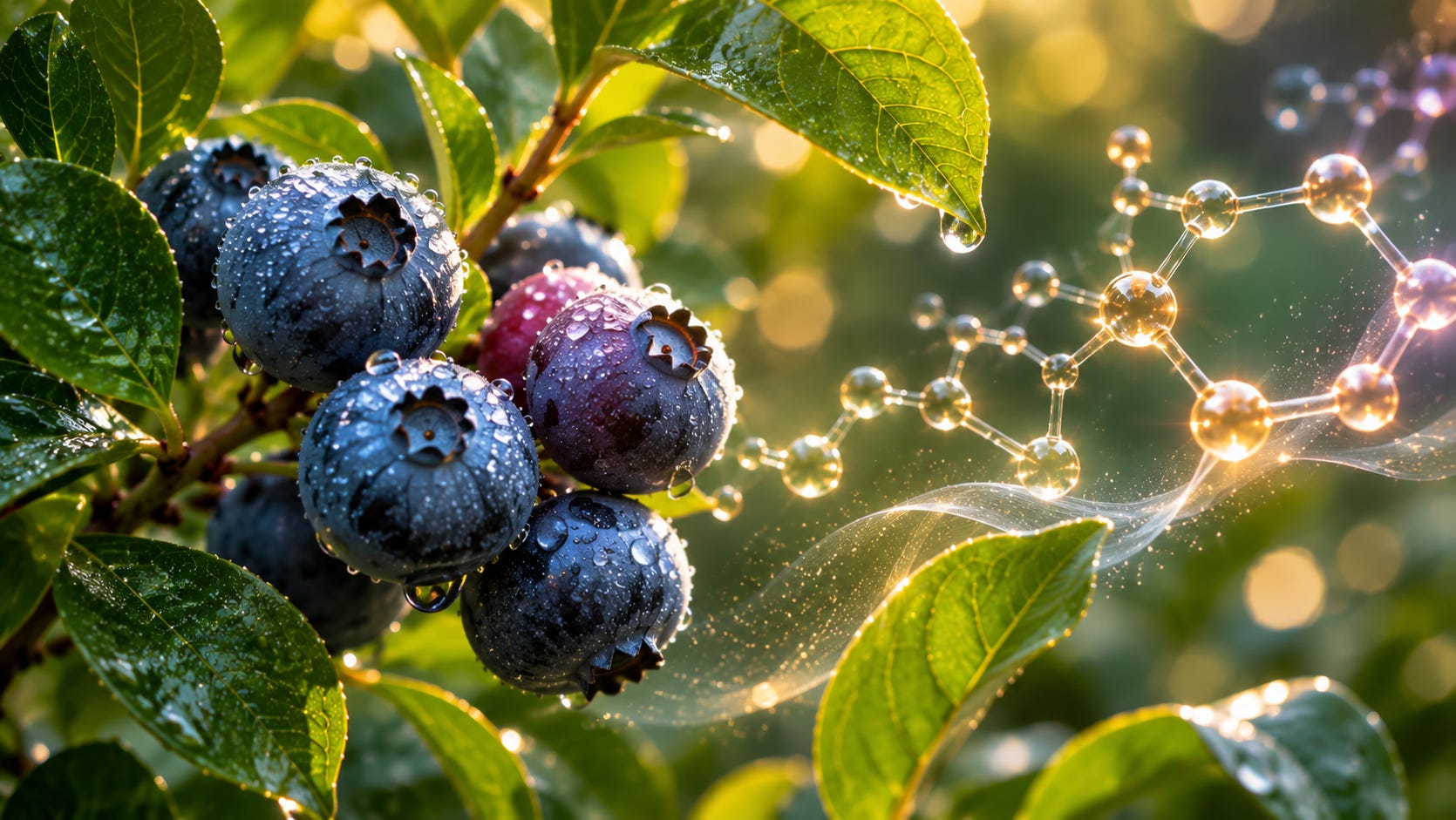
Every meal introduces a remarkable collection of molecules into our internal environment.
A leaf of spinach carries folate, magnesium, carotenoids, and countless other compounds. Blueberries offer anthocyanins. Cruciferous vegetables contain glucosinolates that can be transformed into biologically active compounds during preparation, digestion, and metabolism.
These molecules do more than provide fuel.
They participate in enzyme activity, cellular signaling, immune regulation, and the biochemical processes that sustain life.
Consider folate, a nutrient involved in one-carbon metabolism, the network of reactions supporting DNA synthesis and methylation. Or sulforaphane, a compound formed from certain cruciferous vegetables that has been studied for its influence on cellular stress-response pathways.
The food we eat interacts with the machinery through which our biology maintains itself.
And yet the same meal does not create an identical experience in every person.
One body may process caffeine rapidly, while another clears it more slowly. One person may respond favorably to a particular dietary fat profile, while another carries genetic variations that influence lipid metabolism.
Age, hormonal transitions, microbiome composition, health history, movement, sleep, and stress all contribute to the unfolding response.
The conversation is never between food and genes alone.
It is between food and an entire living system.
The Biological Domain: Listening Beneath the Surface
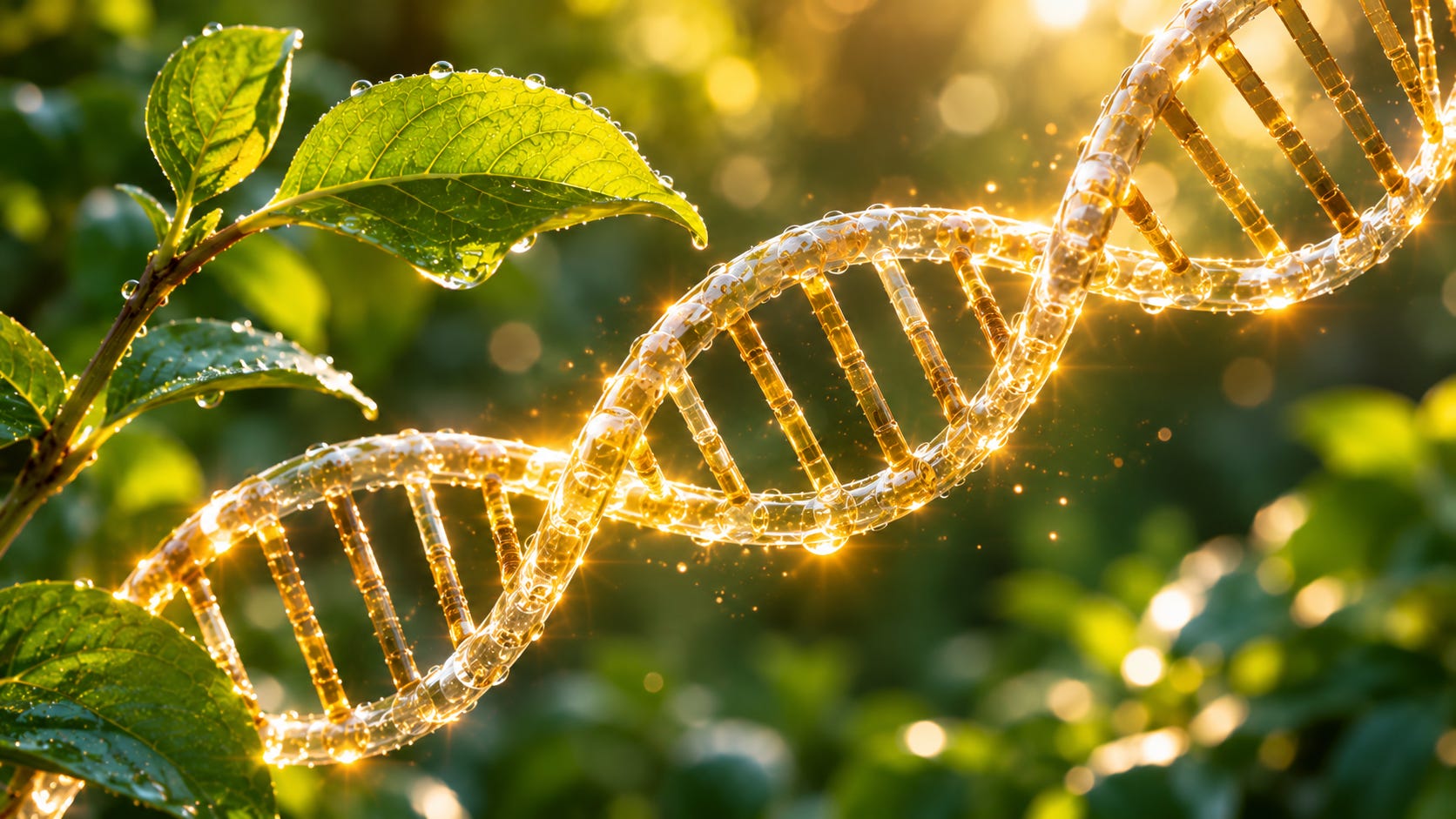
Within Holistic Systems Health (HSH), the Biological domain includes the intricate relationships among our cells, organs, microbiome, metabolism, and physiological regulatory networks.
For decades, nutrition has been approached through population averages. These provide valuable foundations for public health, yet an individual life contains far more variation than an average can describe.
Today, genomic science offers another window into that individuality.
The Mosaic BioData Whole Genome Sequencing (WGS) Lifestyle Report brings genetic information into conversations about nutrition and lifestyle, offering an opportunity to explore variations associated with metabolic and physiological pathways.
Imagine discovering a variation associated with folate metabolism.
Does that mean you are deficient in folate? Not necessarily.
Does it mean you require a particular supplement? Again, not necessarily.
It offers a clue, one that becomes more meaningful when considered alongside nutrient measurements, dietary patterns, clinical history, and the way your body is functioning.
Our genome is not a complete instruction manual for living. It is one layer of a dynamic biological inheritance.
And here the conversation becomes even more fascinating.
Our genes provide possibilities. Our lived environment participates in how those possibilities are expressed.
Epigenetics explores mechanisms through which gene activity can be regulated without changing the underlying DNA sequence. Nutrition, physical activity, environmental exposures, and other experiences can influence aspects of this regulation.
Not every lifestyle change produces a meaningful or lasting epigenetic effect, nor can a genomic report tell us precisely how our genes are being expressed today.
Still, the implications invite a different relationship with our biology.
Rather than treating genetic information as destiny, we can recognize it as part of an ongoing conversation between inheritance and experience.
From Genetic Insight to Living Practice
Imagine learning that your genetic profile contains variations associated with how your body metabolizes certain nutrients.
What happens next?
The information itself changes nothing. Its value emerges through thoughtful interpretation and the choices that follow.
Perhaps a variation associated with folate metabolism invites a closer look at leafy greens, legumes, and your measured nutrient status.
Perhaps insights into lipid metabolism encourage a conversation about the balance of dietary fats and how your individual lipid markers respond.
Or perhaps information about caffeine metabolism helps explain why an afternoon coffee feels restorative to one person yet disrupts another’s sleep.
These are possibilities to explore, not predetermined prescriptions. Not every genetic association is sufficiently validated to guide clinical decisions.
Genetic information becomes most meaningful when we translate it into choices that are relevant, measurable, and sustainable within the life we actually live.
And this is where the six domains of Holistic Systems Health become essential. A recommendation may be biologically appropriate, yet its success also depends on our routines, relationships, environment, and capacity to adapt.
The genome may help us understand part of the landscape. How we live shapes the journey through it.
The Environmental Domain: The Earth at Our Table
Now follow the spinach leaf backward.
Before it reached my kitchen, it participated in another network of relationships.
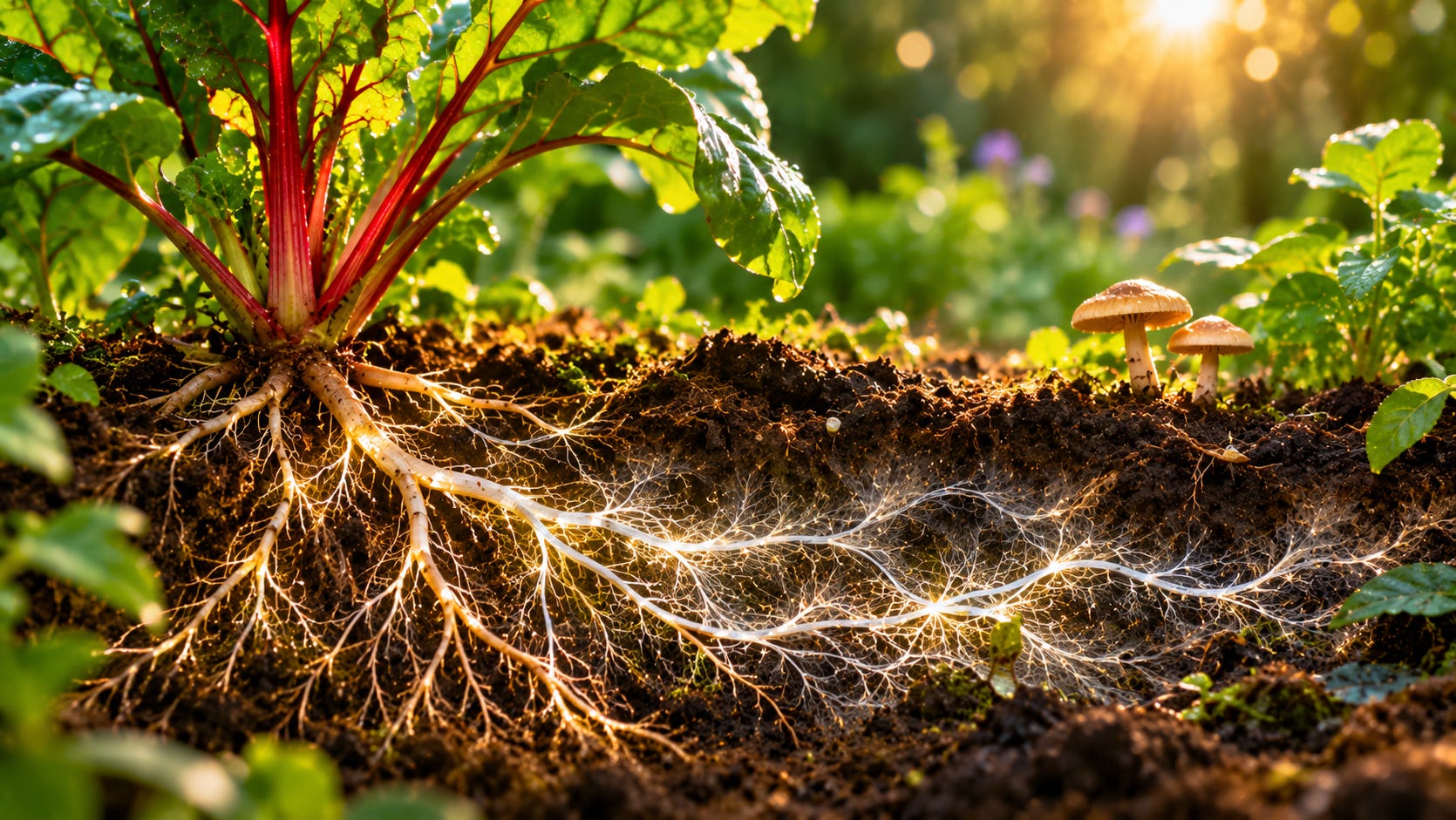
Its roots interacted with soil minerals, water, microorganisms, and the chemistry of its surrounding environment. Its leaves responded to sunlight, temperature, and the conditions of the season.
The nutritional composition of a plant can vary with its genetics, growing conditions, maturity, storage, and preparation.
The environment is not merely the backdrop against which nourishment occurs.
It participates in shaping the food itself.
This is where the Biological and Environmental domains begin to reveal their inseparability.
Soil health influences agricultural productivity and aspects of food quality. Agricultural practices shape biodiversity, water systems, and environmental exposures. Food choices, in turn, influence demand for different ways of cultivating the land.
Our bodies and our ecosystems participate in overlapping cycles of exchange.
We inhale oxygen produced through photosynthesis. We exhale carbon dioxide that can return to the atmosphere and become available to plants. Nutrients travel through soil, food, organisms, and eventually back into ecological cycles.
The relationship is ancient, intimate, and continuous.
There is also an important distinction here: food grown locally or regeneratively is not automatically more nutritious or safer in every circumstance. The health of an ecosystem and the nutritional needs of an individual must each be understood through appropriate evidence.
Yet knowing where our food comes from can restore something that nutrient labels alone cannot provide.
Relationship.
The farmer who tends the soil. The season that ripens the fruit. The microbial communities supporting the roots. The hands that prepare the meal.
Suddenly, eating is no longer an isolated act of consumption.
It is participation in a much larger ecology.
When Precision Meets Presence
There is a beautiful paradox emerging in personalized nutrition.
The more sophisticated our technology becomes, the more clearly, we can appreciate the complexity of what we have always been doing.
Whole genome sequencing can reveal inherited variations across billions of DNA letters. Laboratory assessments can provide information about nutrient status and metabolic health. Continuous glucose monitoring, when appropriate, can reveal patterns that would otherwise remain unseen.
These tools can be valuable.
But none can fully describe the experience of being nourished.
They cannot measure the joy of preparing a meal with someone we love, the sense of belonging that comes from sharing food, or the quiet awareness that arises when we sit beneath a tree and eat something grown from the surrounding earth.
Those experiences belong to other dimensions of Holistic Systems Health, including the Psychological, Social, and Spiritual domains.
The Energetic domain invites further exploration of the patterns, rhythms, and exchanges through which we experience vitality.
All six domains are present, even when our attention rests on only one or two.
Precision helps us see the details. Coherence invites us to remember the relationships.
Together, they offer a more complete way of understanding nourishment.
The Art of Returning
We often speak of healthy eating in the language of discipline.
Stay consistent. Avoid temptation. Follow the plan.
But living systems do not thrive through rigidity alone.
They adapt.
Our nutritional needs change with seasons of life, activity, illness, recovery, and the shifting demands of our environment.
Consistency, then, might be understood not as perfect adherence to a set of rules, but as the capacity to return to supportive patterns with awareness and flexibility.
A meal that nourishes.
A moment of connection.
A willingness to notice when something no longer serves us.
And sometimes, three gentle breaths before eating.
Not because breathing transforms the nutritional content of our meal, but because it gives us an opportunity to become present with the experience.
To notice hunger.
To recognize the pace of our day.
To remember that nourishment is not another task to complete.
It is a relationship to inhabit.
Three Invitations to Nourishing Coherence
Listen to your biology.
Choose one meal this week and notice how you feel before and afterward. Energy, satisfaction, digestion, and mood may offer useful observations. As we attune to the effects of our food across the entire system we appreciate food in a new way.
Reconnect with the living source.
Choose one ingredient whose origin you can trace. Learn where it was grown, how it was cultivated, or whose hands brought it to your table. Allow curiosity to deepen your relationship with food.
Create a moment of presence.
Before eating, pause for three natural breaths. Notice the colors, aromas, and textures before you. If sharing the meal, take a moment to appreciate the company in gratitude.
There is nothing to achieve.
Only something to notice.
A Remembered Relationship
Back at the kitchen sink, the last drops of water slip from the spinach leaves.
The basil still carries its fragrance. Morning sunlight has moved across the counter. Somewhere beyond the window, the garden continues its quiet exchanges with soil, air, insects, and light.
I place the greens into a bowl.
What moments ago belonged to the garden will soon participate in the ongoing work of my cells.
There is no single moment when the intelligence of nature ends and the intelligence of the body begins.
Only a continuous exchange, shaped by countless relationships.
Perhaps this is one of the deeper invitations of Holistic Systems Health.
Not to perfect the body through increasingly elaborate rules, but to become more aware of the conditions that allow its inherent capacities to flourish.
Our genes offer clues. Our environment contributes context. Our daily choices participate in the unfolding.
And beneath it all, nourishment remains an expression of relationship.
What might change if we approached our next meal not as something to manage, but as an opportunity to remember our place within the living world?
From soil to cell, from breath to awareness, the conversation continues.
This is LoveHealth(v) in practice.
Suggested tags: Holistic Systems Health, Nutrition, Epigenetics, Coherence, Regenerative Living
Hero image direction: An intimate, sunlit photograph of freshly rinsed garden greens, basil, and water droplets at a kitchen sink, with the garden softly visible through a window. This would reinforce the opening scene rather than use a conventional stock image of a healthy meal.
Thanks for reading LoveHealth! Subscribe for free to receive new posts and support my work.