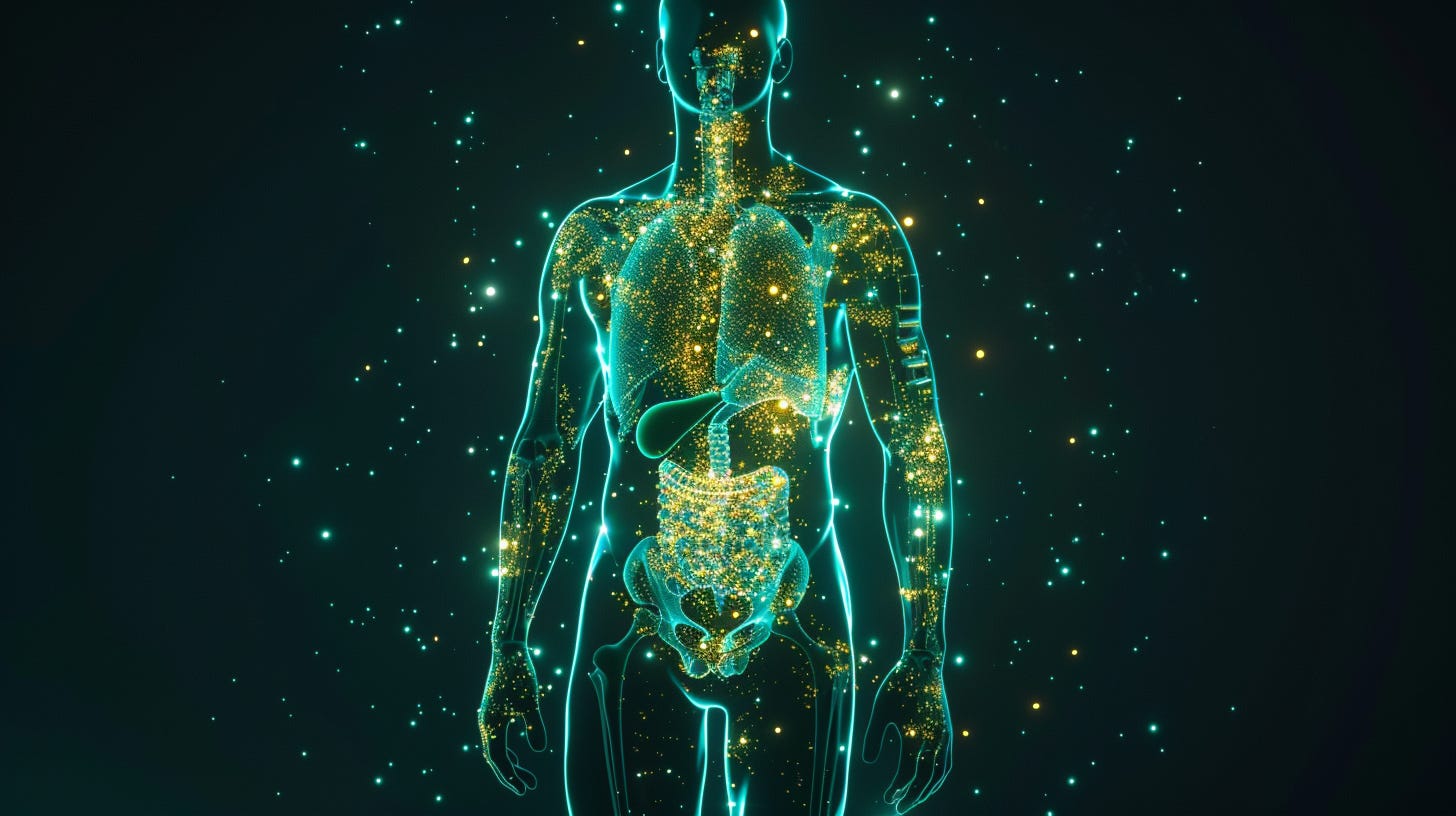
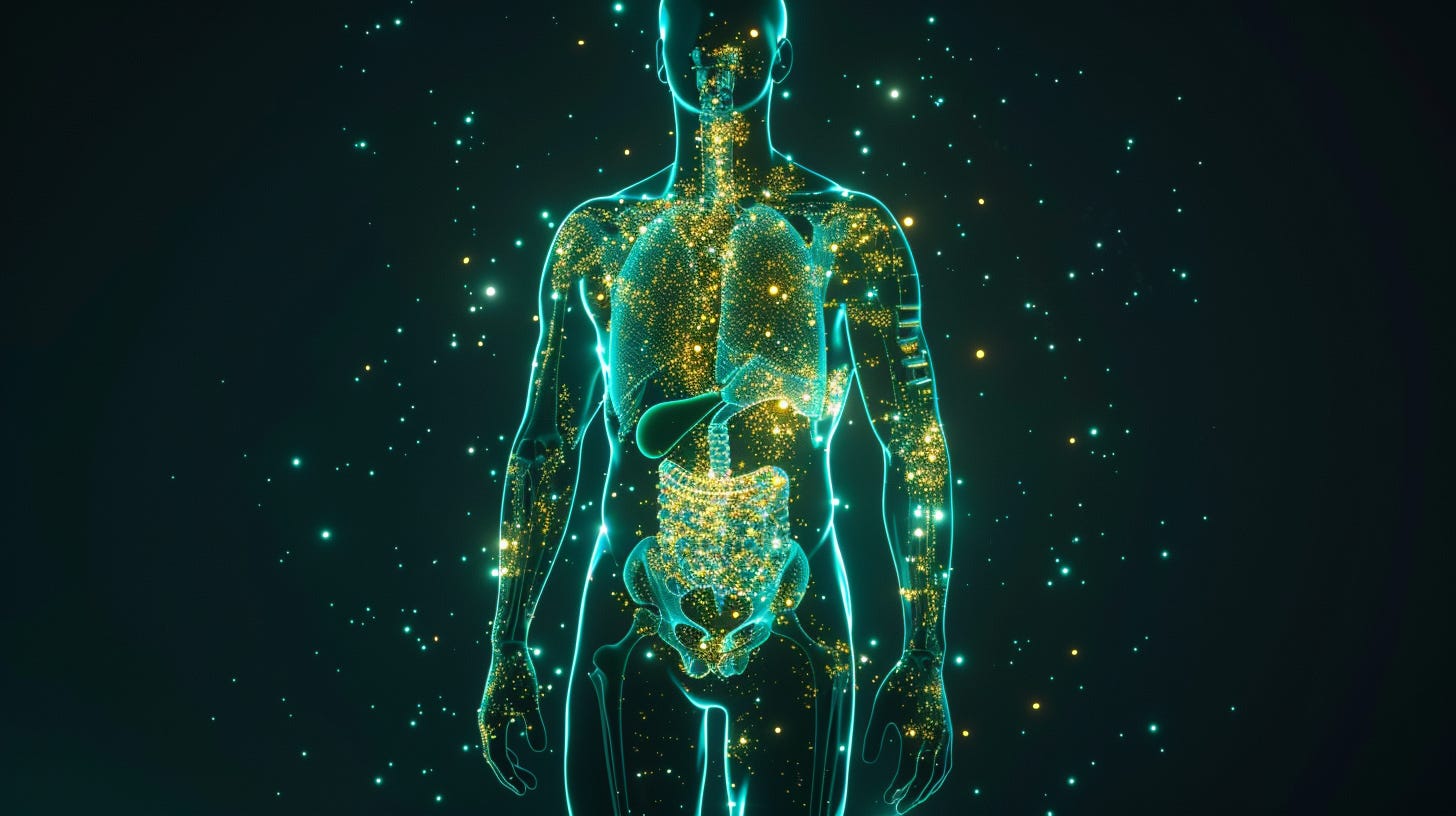
For the clinicians and researchers noting the pharmacokinetic disparity between endogenous GLP-1 and exogenous GLP-1 receptor agonists (GLP-1 RAs), a clarification of receptor dynamics and lower-gut physiology is required.
Native GLP-1 is rapidly degraded by the dipeptidyl peptidase-4 (DPP-4) enzyme, resulting in a half-life of roughly 1 to 2 minutes. Modern GLP-1 RAs are structurally engineered to resist DPP-4 cleavage, extending their half-life to days or weeks. While this persistent agonism forces metabolic compliance, it is fundamentally a brute-force mechanism. Continuous, unyielding receptor activation deviates from natural human physiology and often leads to receptor downregulation, alongside well-documented gastrointestinal side effects.
Ancestral human physiology did not rely on half-life extension. Instead, it relied on a continuous, dynamic, and pulsatile incretin release driven by sustained substrate delivery to the distal ileum and colon. When the lower gut is consistently supplied with the correct fermentable substrates, it produces a steady, rhythmic output of GLP-1 and PYY. This honors the body’s natural biorhythms, maintaining receptor sensitivity while achieving the desired metabolic stabilization and satiety.
To reactivate this native cellular machinery, the enteroendocrine L-cells require Short-Chain Fatty Acids (SCFAs)—specifically butyrate and propionate. These are produced when the gut microbiome ferments specific classes of dietary fiber. The SCFAs then bind to Free Fatty Acid Receptors 2 and 3 (FFAR2/GPR43 and FFAR3/GPR41) on the L-cells, triggering native incretin secretion.
The most highly effective fibers for maximizing targeted SCFA production and L-cell stimulation include:
Resistant Starches (RS2 and RS3): Found in green bananas, raw plantains, and cooled, cooked starches (like potatoes and rice). These starches bypass enzymatic digestion in the upper GI tract and are strongly favored by butyrate-producing bacteria in the colon, thereby serving as potent triggers for GLP-1 release.
Beta-Glucans: Viscous, soluble fibers found predominantly in oats, barley, and certain medicinal mushrooms. They form a gel-like matrix in the gut, mechanically slowing gastric emptying while delivering a sustained fermentable substrate to the distal gut.
Inulin and Fructooligosaccharides (FOS): Naturally occurring prebiotics found in chicory root, Jerusalem artichokes (sunchokes), garlic, onions, and asparagus. They are rapidly fermented, producing a robust, immediate surge of SCFAs.
Pectins: Complex polysaccharides found in the cell walls of apples, citrus fruits, and berries. Pectins are highly fermentable and particularly effective at increasing colonic propionate, a strong agonist for the FFAR2 receptor.
Ultimately, the goal is not to artificially extend the half-life of a single hormone but to restore the complex, interdependent system of the gut microbiome and the enteroendocrine network through its evolutionary dietary inputs.